
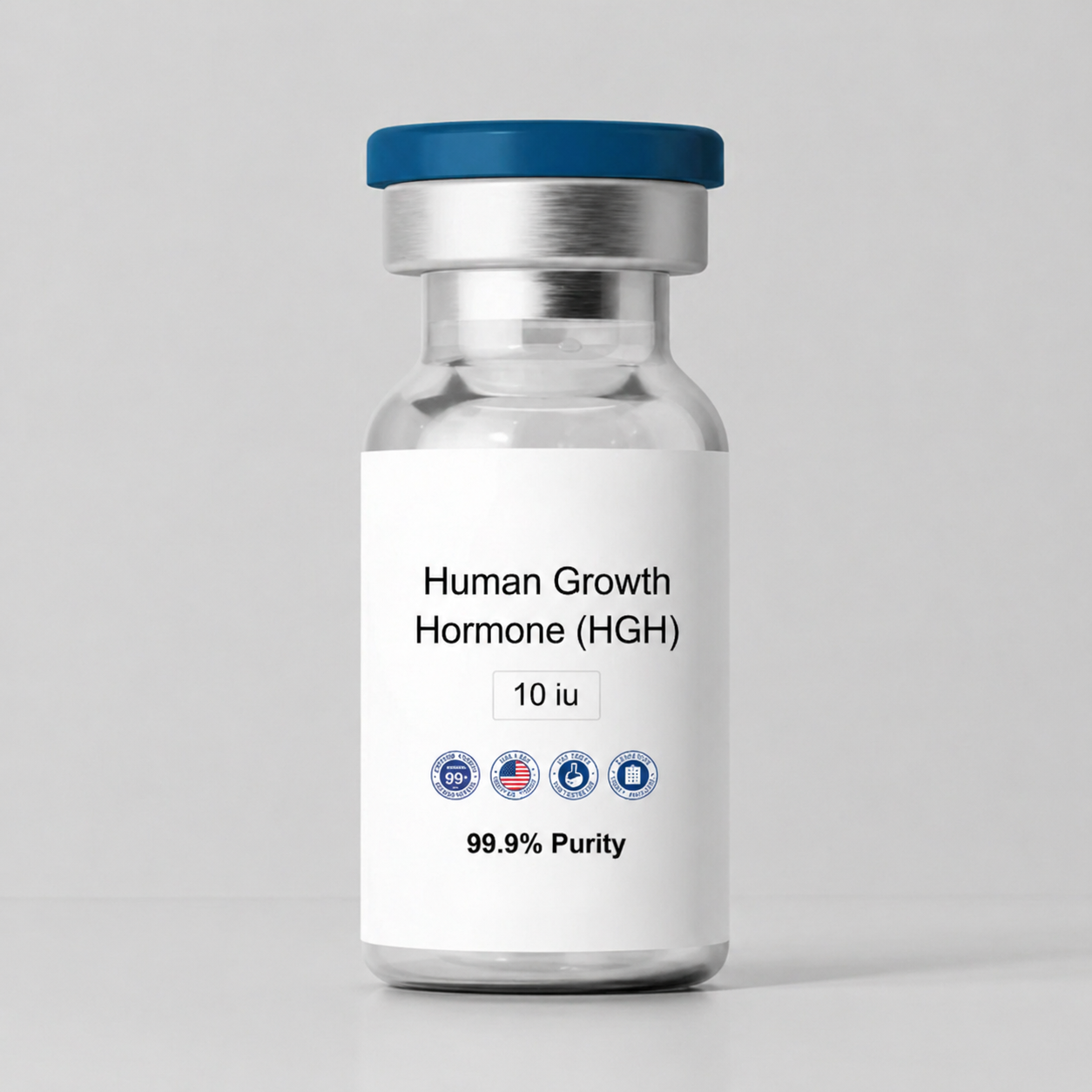
Human Growth Hormone(HGH)
Price range: $65.00 through $220.00
HGH-Frag (human growth hormone fragment 176–191) is a research peptide used in controlled in-vitro studies of growth-factor–related signalling, energy-metabolism readouts, and peptide structure–activity relationships under non-clinical laboratory conditions.
HGH-Frag (Fragment 176–191)
This C-terminal segment of human growth hormone is selected in model systems to explore assay endpoints linked to receptor-adjacent pathways and peptide pharmacology. All work takes place in laboratory settings only.
For laboratory research only. Not for human use.
HGH-Frag Key features
- C-terminal hGH fragment (176–191) for in-vitro signalling and SAR investigations.
- Supplied as a lyophilised solid for stability and straightforward storage.
- Each batch released only after stringent quality checks.
An enzyme immunoassay for the quantitative determination of human growth hormone (HGH) concentration in serum.
Human Growth Hormone (hGH, somatotropin) is a polypeptide secreted by the anterior pituitary. It is 191 amino acids in length, has a molecular mass of approximately 22,000 daltons, and its metabolic effects are primary anabolic.1 hGH promotes protein conservation and is engaged in a wide range of mechanisms for protein synthesis. It also enhances
glucose transport and facilitates glycogen storage. Its cascade of growth-promoting action is mediated by another family of peptide hormones, the somatomedins.2 hGH measurement is primarily of interest in the diagnosis and treatment of various forms of abnormal growth hormone secretion. Disorders caused by hyposecretion include dwarfism and unattained growth potential.Hypersecretion is associated with gigantism and acromegaly.3 Caution must be exercised in the clinical interpretation of growth hormone levels. These vary throughout the day, making it difficult to define a normal range or to judge an individualÕs status based on a single determination. Many factors are known to influence the rate of growth hormone secretion, including periods of sleep and wakefulness, exercise, stress, hypoglycemia, estrogens, corticosteroids and L-dopa. Because of its similarity to prolactin and placental lactogen, earlier GH immunoassays were often plagued with falsely high values in pregnant and lactating women.2,3,6 Growth hormone-deficient individuals have fasting and resting levels similar to those found in normal individuals. Various challenge tests have therefore been devised to differentiate them. For example, with the onset of deep sleep or after 15 to 20 minutes of vigorous exercise, growth hormone levels normally rise.4 Other tests of growth hormone responsiveness are based on the administration of
L-dopa, arginine and insulin. Propanolol or estrogen are sometimes given in conjunction with the primary stimulus to accentuate the response.4,5 A small number of dwarfism cases have been documented in which both the basal level of HGH and the responses to challenge testing were normal. Such cases may involve tissue insensitivity to either growth hormone or the somatomedins, or immunoreactive but biologically inactive growth hormone.4 The Human Growth Hormone Enzyme Immunoassay provides a rapid, sensitive, and
reliable test for GH measurement. There is no cross-reactivity with hCG, TSH, LH, FSH and prolactin
The HGH ELISA is based on the principle of a solid phase enzyme-linked immunosorbent assay (ELISA). The assay system utilizes a sheep anti-HGH antibody for solid phase (microtiter wells) immobilization and a mouse monoclonal anti-HGH antibody in the antibody-enzyme (horseradish peroxidase) conjugate solution. The test sample is allowed to react simultaneously with the antibodies, resulting in HGH molecules being sandwiched between the solid phase and enzyme-linked antibodies. After a 45 minute incubation at room temperature, the wells are washed with water to remove unbound labeled antibodies. A solution of TMB is added and incubated for 20 minutes, resulting in the development of a blue color. The color development is stopped with the addition of 1N HCl, and the color is changed to yellow and measured spectrophotometrically at 450 nm. The concentration of HGH is directly proportional to the color intensity of the test sample.
| quantity |
10iu ,15iu ,24iu ,36iu |
|---|
1 review for Human Growth Hormone(HGH)
Clear filtersBuy Peptide Online, We understand the critical nature of your shipments. That's why we offer a full spectrum of shipping solutions tailored to the healthcare and life sciences sector. With our user-friendly software portal, proactive monitoring, and dedicated 24/7 support teams, we ensure your shipments reach their destinations safely and efficiently.
ALL YOUR SHIPMENT IN ONE PLACE
Pickup and Deliver Anywhere - Global and Domestic Shipping
From any pickup point to any destination, worldwide. Enjoy safe, reliable service with individual attention at every stage. For international shipments, our healthcare-specific customs brokerage knows the details to prevent customs delays.
Ship Anything - Boxes, Pallets, and Everything in Between
Whether it's lab samples, diagnostic test kits, or large medical devices - no matter what you need to ship, we have multiple options for each.
PROFESSIONAL SHIPPING EXPERTS, BUY PEPTIDE ONLINE


Related products
CJC 1295 no dac + Ipamorelin 5mg/5mg
GLP2-TZ 10mg
Buy Peptide Injections | GLP-2 TZ| 10mg
Specifications:
- Quantity: 10mg
- Form: Lyophilized Powder
- Purity: ≥99% (HPLC Verified)
- Molecular Weight: ~4812.6 g/mol
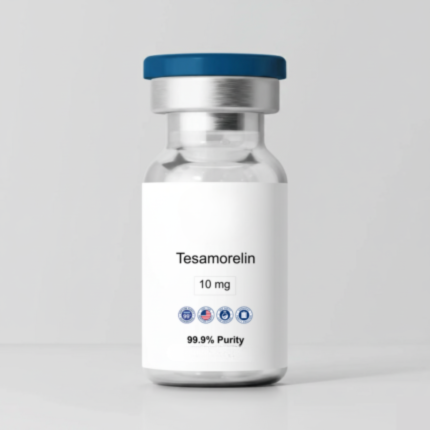
Tesamorelin 10mg
Buy Peptide Injections | Tesamorelin | 10mg
Specifications:
- Unit Size: 10mg
- Form: Lyophilized powder
- Purity: ≥99% (HPLC Verified)
- Molecular Formula: C221H366N72O67S1
- Molecular Weight: ~5135.9 Da
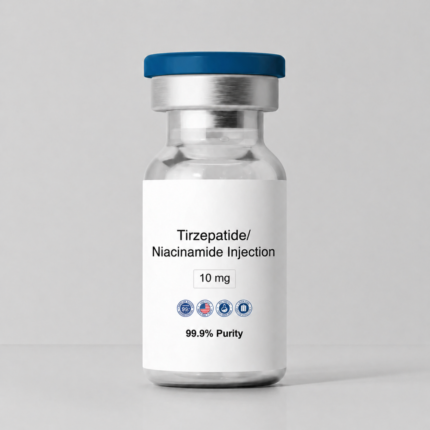
Tirzepatide / Niacinamide Injection
Buy tirzepatide/niacinamide injection online,dosage and administration of Tirzepatide / Niacinamide Injection requires careful individualization based on patient characteristics, treatment goals, and tolerance to therapy. The is available in multiple formulations to accommodate different patient needs and treatment protocols, with dosing typically following a gradual titration approach to optimize therapeutic benefits while minimizing adverse effects.
The available formulations include 17 mg/mL tirzepatide with 2 mg/mL niacinamide in 4 mL vials, 8 mg/mL tirzepatide with 2 mg/mL niacinamide in 2.5 mL vials, and 17 mg/mL tirzepatide with 2 mg/mL niacinamide in 2 mL vials. Physicians determine the most appropriate formulation based on the specific patients’ needs. Administration should occur via subcutaneous injection, with recommended injection sites including the abdomen, thigh, or upper arm. Patients should be instructed to rotate injection sites to minimize the risk of injection site reactions and to avoid injecting into areas that are tender, bruised, red, or hard. The injection should be administered once weekly on the same day each week, though the specific time of day can be flexible based on patient preference and lifestyle factors. Proper injection technique is crucial for optimal absorption and to minimize injection site reactions. Patients should use aseptic technique, including proper hand hygiene and skin preparation. The injection should be administered slowly and steadily, and the needle should remain in place for several seconds after injection to ensure complete delivery of the dose. Dose adjustments may be necessary based on patient response, tolerance, and individual treatment goals, as determined by the patient’s physician. Patients experiencing significant gastrointestinal side effects may benefit from temporary dose reduction or slowing the titration schedule. Conversely, patients who are tolerating the medication well but not achieving desired therapeutic outcomes may benefit from dose increases within the recommended range. Patients should receive comprehensive education about proper injection technique, dose timing, storage requirements, and what to do if doses are missed. They should also be instructed about signs and symptoms that warrant dose adjustment or medical evaluation, including severe gastrointestinal side effects, signs of hypoglycemia, or unusual symptoms that may indicate adverse reactions. Healthcare providers should work closely with patients to optimize dosing based on individual response patterns, treatment goals, and tolerance. Regular follow-up appointments should include assessment of therapeutic response, monitoring for adverse effects, and evaluation of the need for dose adjustments. This collaborative approach helps ensure that patients receive the maximum benefit from therapy while minimizing the risk of adverse effects.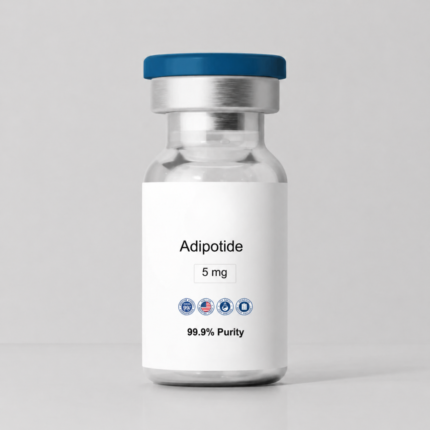
Adipotide
buy adipotide online, Pepmanleo Pharmacy Online supplies this product solely for research use, provided in a freeze-dried (lyophilized) powder form. In accordance with regulatory guidelines, we are unable to offer guidance on dosage or instructions for reconstitution.
The amount listed on the product label reflects the total contents of the vial.
To reconstitute the product, researchers will need the following laboratory materials:
• A suitable reconstitution fluid
• Syringes for withdrawing the solution from the vials
• Alcohol swabs for sterilizing surfaces
Lorraine Probert –
I’ve ordered from Mr. Leo multiple times and the experience has been excellent. Communication was fast and clear, shipping was discreet + on time, and the products arrived well-sealed with COAs included. Quality and purity have been consistent across batches. I appreciate the transparency and customer service. Highly recommend for anyone looking for a reliable peptide vendor.”